



Friday, October 6th., 2017
Saudi King Salman's Moscow visit could create
new Middle East dynamic
Saudi King Salman's Moscow visit could create
new Middle East dynamic
Bryan MacDonald
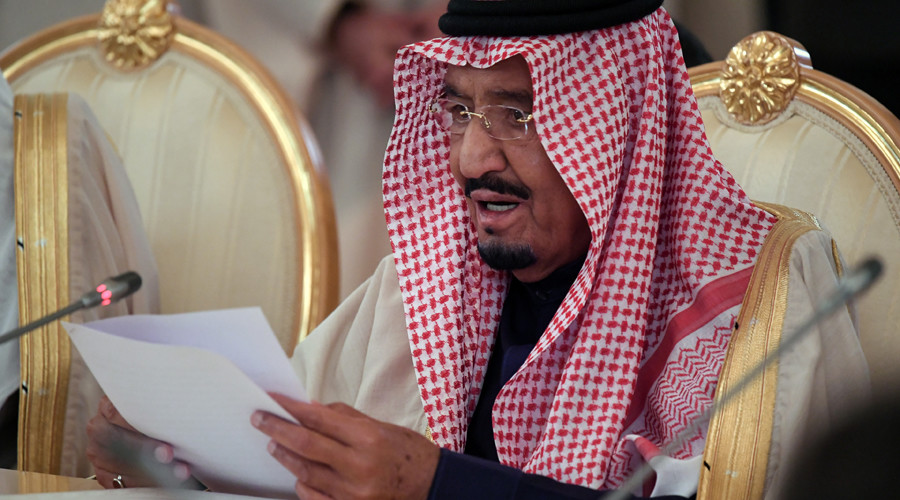
King Salman of Saudi Arabia's official visit to Moscow marks the
end of a long animus between Russia and Riyadh. While many will welcome
this new reality, some traditional allies of both parties could be
concerned at the potential ramifications of detente.
The
term ‘historic’ is overused. But this time it’s surely merited. The
81-year-old Salman hasn’t ventured to the chilly and autumnal Russian
capital to take its waters. The Saudi monarch has instead come to turn a
new page in a relationship which has been either non-existent or
downright hostile, for decades.
Let’s be clear about something: Saudi Arabia has long been America’s chief ally in the Islamic world. Furthermore, many in Riyadh are convinced their country was chiefly responsible for the collapse of the USSR. Something they claim to have achieved both by depressing oil prices and funding the Mujahideen in Afghanistan, who bogged down the Soviet army in a lengthy war of attrition. In fact, the chief architect of the latter policy was Salman himself, back in his days as a mere prince.
In the 1990s, some groups in Riyadh directed their attention to the new Russian Federation, backing jihadists in the restive southern Caucasus. Meanwhile, informed analysts blame the Saudis for exporting Wahhabism, identified by the European Parliament as the main source of global terrorism, which has caused endless headaches for the Kremlin. Ranging from the so-called "Caucasus Emirate” to the rise of ISIS.
But suddenly interests have converged. Riyadh is especially concerned about three fundamental issues for the Kingdom: low oil prices, growing Iranian influence in the Middle East and increasingly erratic US foreign policy. When it comes to the first two, Moscow has considerable clout, and the Kremlin may offer a counterbalance to Washington diplomatically.
In an ideal world, Salman would get two key concessions from Vladimir Putin: an agreement to sacrifice his closeness to Tehran, and a long-term Russia-OPEC deal to manipulate the price of black gold in their favor. However, the former is a non-starter and the latter, faced with competition from US shale, is probably unmanageable. Even if both countries are responsible for a quarter of the world’s crude output.
For its part, Moscow wants the Saudis to curtail the spread of Wahhabi influence in the former-USSR and to understand how placing all their eggs in the American basket has been a mistake. Something, Riyadh may belatedly have wised up to after the debacle in Syria. Because US meddling in that country has been a disaster for Salman, serving only to empower Iran and increase its geopolitical standing.
You see, Saudi Arabia fears Tehran more than anything. For ethnic, religious and cultural reasons which are difficult for outsiders to fully comprehend. Thus, the emerging coalition between Iran, Russia, and Turkey has become an existential issue for the House of Saud. Especially when their traditional American guarantors are rudderless and distracted by domestic issues. Not to mention, the effects of Middle East fatigue in Washington and the new president’s relentless focus on North Korea.
Nevertheless, if the Saudis are hoping to lock Moscow into a union, they are wasting their time. Because the Kremlin has learned from the Soviet collapse that the all-or-nothing partnerships which the USSR (and the US) developed during the Cold War are a dead-end. For proof, witness Putin’s reluctance to enter a formal alliance with China, despite the apparent benefits, and how he keeps his door firmly open to Beijing’s chief regional rival, Japan.
Put plainly, Russia’s modern foreign policy priority is to be friendly with everyone, where possible, and to avoid the emergence of rigid blocs. This is why it simultaneously maintained membership of the G8, BRICS and Shanghai Cooperation Organisation, keeping a foot in every conceivable camp.
With this in mind, Putin may perceive Riyadh as useful in balancing Russia’s current over-reliance on Iran when it comes to the Middle East, and to position Moscow as a bridge between the rival factions. This is something we already see happening in the Korea crisis, where Washington and Beijing are tied to their particular sides while the Kremlin sees itself as an honest broker, enjoying good relations with both Pyongyang and Seoul.
Bashar Al-Assad’s apparent victory in Syria also makes things easier. While the Saudis would prefer if he departed the stage, his presence is a much smaller issue than the empowerment of Iran. Also, as the analyst Chris Weafer has noted: “since the announcement of the Russia-OPEC oil deal late last year there has been no criticism of Russia's role in Syria from any of the Arab states. That is a perfect example of good business — Russia and Saudi both earn close to $2.5 billion per month more from exports at $54 oil than they would at $45, and good politics.”
Unlike the USSR, and the contemporary United States and the European Union, modern Russia has no particular ideology to export. Thus, its strategic imperative is to maintain positive bilateral relations with as many countries as possible. Saudi Arabia is a significant global player. Consequently, any emerging accord is a positive for the Kremlin. And Riyadh too, of course.

Bryan MacDonald is an Irish journalist, who is based in Russia
Let’s be clear about something: Saudi Arabia has long been America’s chief ally in the Islamic world. Furthermore, many in Riyadh are convinced their country was chiefly responsible for the collapse of the USSR. Something they claim to have achieved both by depressing oil prices and funding the Mujahideen in Afghanistan, who bogged down the Soviet army in a lengthy war of attrition. In fact, the chief architect of the latter policy was Salman himself, back in his days as a mere prince.
In the 1990s, some groups in Riyadh directed their attention to the new Russian Federation, backing jihadists in the restive southern Caucasus. Meanwhile, informed analysts blame the Saudis for exporting Wahhabism, identified by the European Parliament as the main source of global terrorism, which has caused endless headaches for the Kremlin. Ranging from the so-called "Caucasus Emirate” to the rise of ISIS.
Different views
Even a year ago, Moscow and Riyadh were poles apart. The Saudis took a dim view of Russia’s ultimately successful intervention in Syria and the Kremlin was critical of the humanitarian situation in Yemen, a conflict overseen by Salman’s son, and heir apparent, Muhammed.But suddenly interests have converged. Riyadh is especially concerned about three fundamental issues for the Kingdom: low oil prices, growing Iranian influence in the Middle East and increasingly erratic US foreign policy. When it comes to the first two, Moscow has considerable clout, and the Kremlin may offer a counterbalance to Washington diplomatically.
In an ideal world, Salman would get two key concessions from Vladimir Putin: an agreement to sacrifice his closeness to Tehran, and a long-term Russia-OPEC deal to manipulate the price of black gold in their favor. However, the former is a non-starter and the latter, faced with competition from US shale, is probably unmanageable. Even if both countries are responsible for a quarter of the world’s crude output.
For its part, Moscow wants the Saudis to curtail the spread of Wahhabi influence in the former-USSR and to understand how placing all their eggs in the American basket has been a mistake. Something, Riyadh may belatedly have wised up to after the debacle in Syria. Because US meddling in that country has been a disaster for Salman, serving only to empower Iran and increase its geopolitical standing.
You see, Saudi Arabia fears Tehran more than anything. For ethnic, religious and cultural reasons which are difficult for outsiders to fully comprehend. Thus, the emerging coalition between Iran, Russia, and Turkey has become an existential issue for the House of Saud. Especially when their traditional American guarantors are rudderless and distracted by domestic issues. Not to mention, the effects of Middle East fatigue in Washington and the new president’s relentless focus on North Korea.
Resource rewards
There’s also the issue of America’s development of shale, a process which completely overlooked the inevitable economic blowback on Riyadh and the Gulf States. While low oil tariffs hurt big producers like Russia, Norway and Brazil, at least these countries have relatively diversified economies to keep things ticking over. However in Saudi Arabia, the “petroleum sector accounts for roughly 87 percent of budget revenues, 42 percent of GDP, and 90 percent of export earnings,” according to Forbes. Which means that every $10 drop in the price is catastrophic for Riyadh. And you can bet the House of Saud is aggrieved at American indifference to its situation, something which may have concentrated key minds in Riyadh.Nevertheless, if the Saudis are hoping to lock Moscow into a union, they are wasting their time. Because the Kremlin has learned from the Soviet collapse that the all-or-nothing partnerships which the USSR (and the US) developed during the Cold War are a dead-end. For proof, witness Putin’s reluctance to enter a formal alliance with China, despite the apparent benefits, and how he keeps his door firmly open to Beijing’s chief regional rival, Japan.
Put plainly, Russia’s modern foreign policy priority is to be friendly with everyone, where possible, and to avoid the emergence of rigid blocs. This is why it simultaneously maintained membership of the G8, BRICS and Shanghai Cooperation Organisation, keeping a foot in every conceivable camp.
With this in mind, Putin may perceive Riyadh as useful in balancing Russia’s current over-reliance on Iran when it comes to the Middle East, and to position Moscow as a bridge between the rival factions. This is something we already see happening in the Korea crisis, where Washington and Beijing are tied to their particular sides while the Kremlin sees itself as an honest broker, enjoying good relations with both Pyongyang and Seoul.
Practical concerns
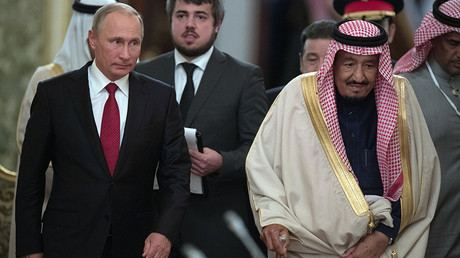
The Crown Prince, Muhammad, has indicated this scenario is acceptable to Riyadh. “The main objective is not to have Russia place all its cards in the region behind Iran,” he told the Washington Post last spring. It appears Muhammad is the main driver of the pivot to Moscow, conceding how his government has been “coordinating our oil policies recently” with their Russian counterparts.Bashar Al-Assad’s apparent victory in Syria also makes things easier. While the Saudis would prefer if he departed the stage, his presence is a much smaller issue than the empowerment of Iran. Also, as the analyst Chris Weafer has noted: “since the announcement of the Russia-OPEC oil deal late last year there has been no criticism of Russia's role in Syria from any of the Arab states. That is a perfect example of good business — Russia and Saudi both earn close to $2.5 billion per month more from exports at $54 oil than they would at $45, and good politics.”
Unlike the USSR, and the contemporary United States and the European Union, modern Russia has no particular ideology to export. Thus, its strategic imperative is to maintain positive bilateral relations with as many countries as possible. Saudi Arabia is a significant global player. Consequently, any emerging accord is a positive for the Kremlin. And Riyadh too, of course.
Bryan MacDonald is an Irish journalist, who is based in Russia
The statements,
views and opinions expressed in this column are solely those of the
author and do not necessarily represent those of RT.