July, Wednesday 17th., 2018 What Can Italy And China Acquire Along The BRI?
July, Wednesday 17th., 2018
"...Italy and China have expressed "their commitment to uphold the
rules-based international economic system, to support multilateralism
and the multilateral trading system with the WTO at its core, and to
foster participation in the reform of global economic governance with a
view to promoting high-quality, strong, sustainable, balanced and
inclusive growth, improving living standards and boosting employment". In my view, it is important to stress the commitment the two
countries have expressed to openness, cooperation, multilateralism and
accountability in a globalized 21st century..."
What Can Italy And China Acquire Along The BRI?
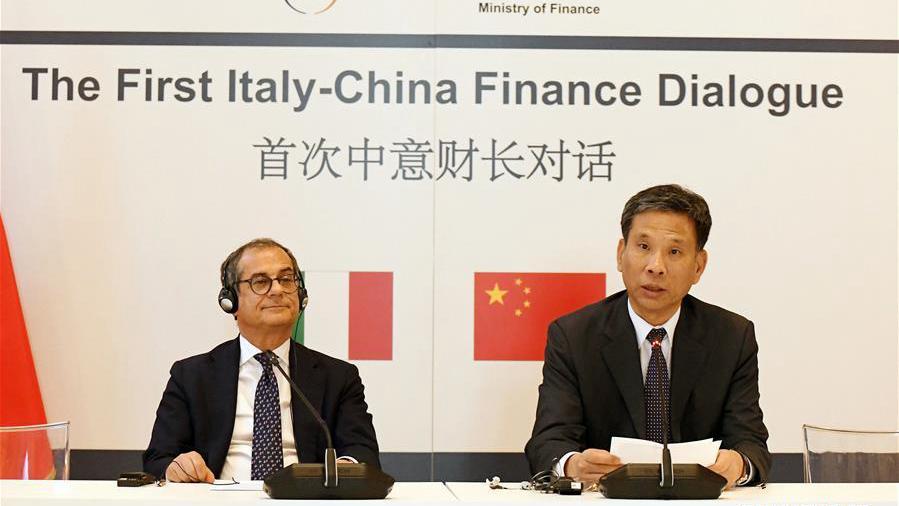
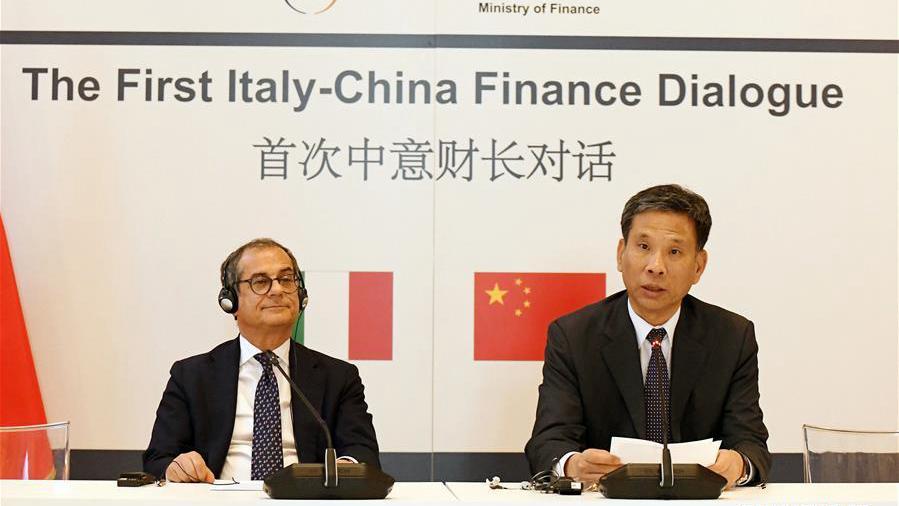
On July 10, the First China-Italy Finance Dialogue was held in Milan,
Italy's financial center, in the presence of the Minister of the
Economy and Finance of the Italian Republic, Giovanni Tria and the
Minister of Finance of the People's Republic of China, Liu Kun.
This event follows the Strengthening the Comprehensive Strategic
Partnership agreed by the two Heads of State on March 23, 2019 on the
"China-Italy Finance Ministers Dialogue Mechanism" and the agreement
reached in the Memorandum of Understanding for the China-Italy Finance
Dialogue signed by the two sides on November 29, 2018.
This meeting is another major step in the implementation of the Memorandum of Understanding between the two governments on jointly promoting the development of the Belt and Road Initiative (BRI), where Italy joined as the first G7 country, identifying synergies between the BRI and the EU Strategy on Connecting Europe and Asia on project cooperation.
The two countries have historically been bound by a long-lasting
mutual friendship and recently this commitment has been deepened and
broadened through bilateral and economic relations to enhance
macroeconomic policy coordination and cooperation on economic and
financial issues. The cooperation between the two countries has been frequently described as a model for the dialogue between East and West. Chinese
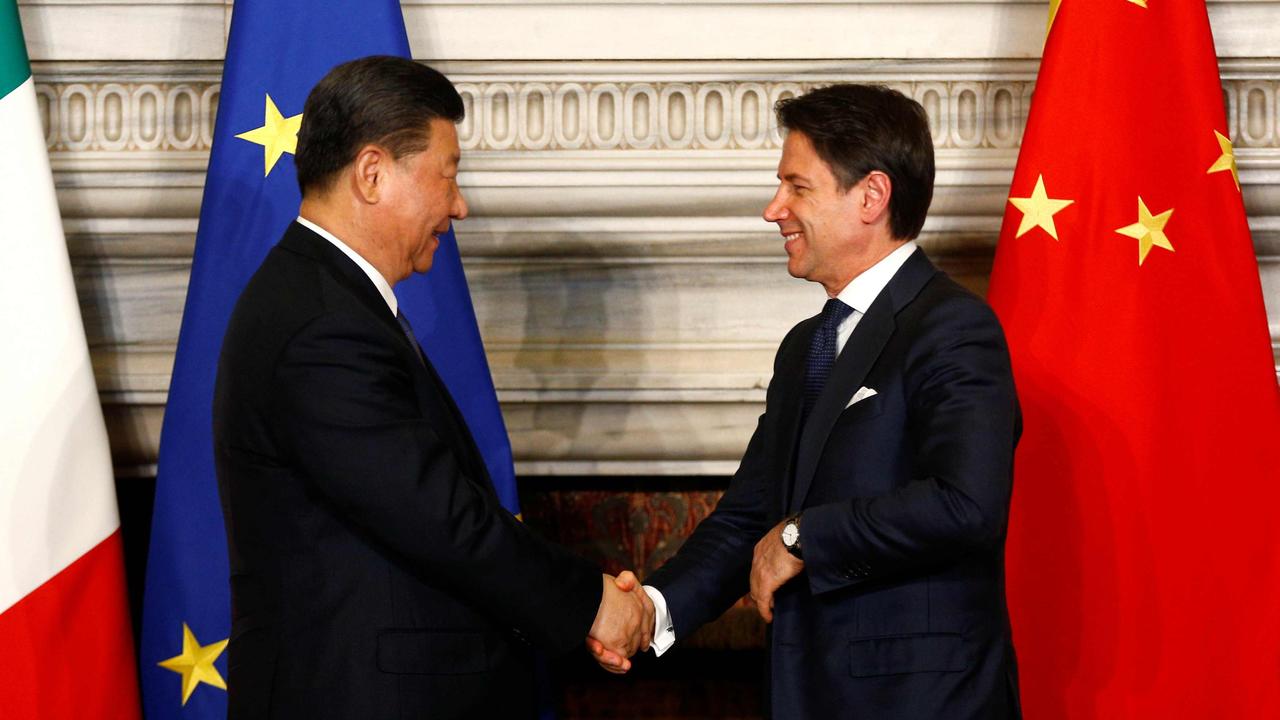
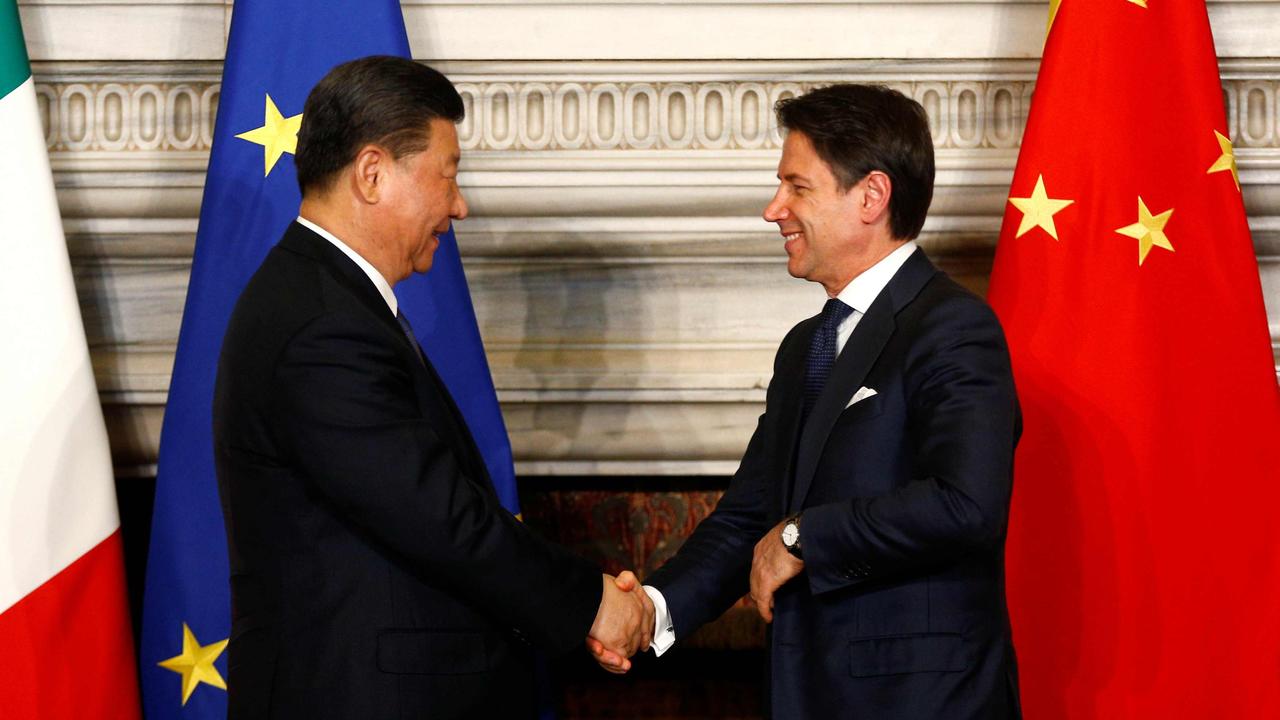
President Xi Jinping and Italian Prime Minister Giuseppe Conte shake
hands after signing trade agreements at Villa Madama in Rome
Italy and China have expressed "their commitment to uphold the
rules-based international economic system, to support multilateralism
and the multilateral trading system with the WTO at its core, and to
foster participation in the reform of global economic governance with a
view to promoting high-quality, strong, sustainable, balanced and
inclusive growth, improving living standards and boosting employment". In my view, it is important to stress the commitment the two
countries have expressed to openness, cooperation, multilateralism and
accountability in a globalized 21st century.
Responsible countries cannot deny the importance of international
bodies such as the G20, the International Monetary Fund, and
multilateral developments banks, such as the World Bank and the Asian
Infrastructure Investment Bank (AIIB). These should be the venues where
countries are expected to make decisions in an increasingly
interconnected world instead of acting unilaterally.
During the discussions, the importance of infrastructure for growth
and development to fill the gap in developing countries has been
underlined. In this context, Italy and China expect the AIIB to continue
expanding its business and enhancing international influence, exploring
projects and third market cooperation opportunities, especially in
Africa.
Probably the most important outcome of this event has been the
agreement on the first issuance in China of the so-called "Panda Bond"
for an initial amount of 150 million euro, which will be issued by Cassa
Depositi e Prestiti (CDP), the Italian sovereign wealth fund and
distributed in the Chinese mainland by Italian and local commercial
banks. Italy's economy is dominated by small and medium-sized
enterprises (SMEs) and, due to their size, these companies struggle to
expand their business overseas. The issuance of the bond has
the significance of supporting the expansion of Italian SMEs in China
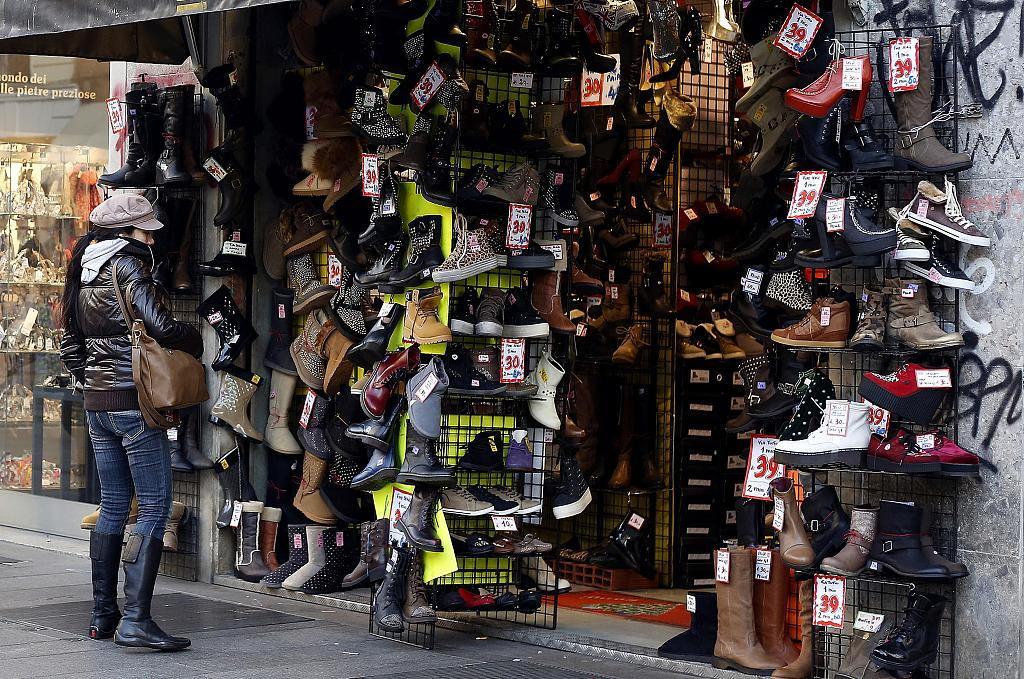
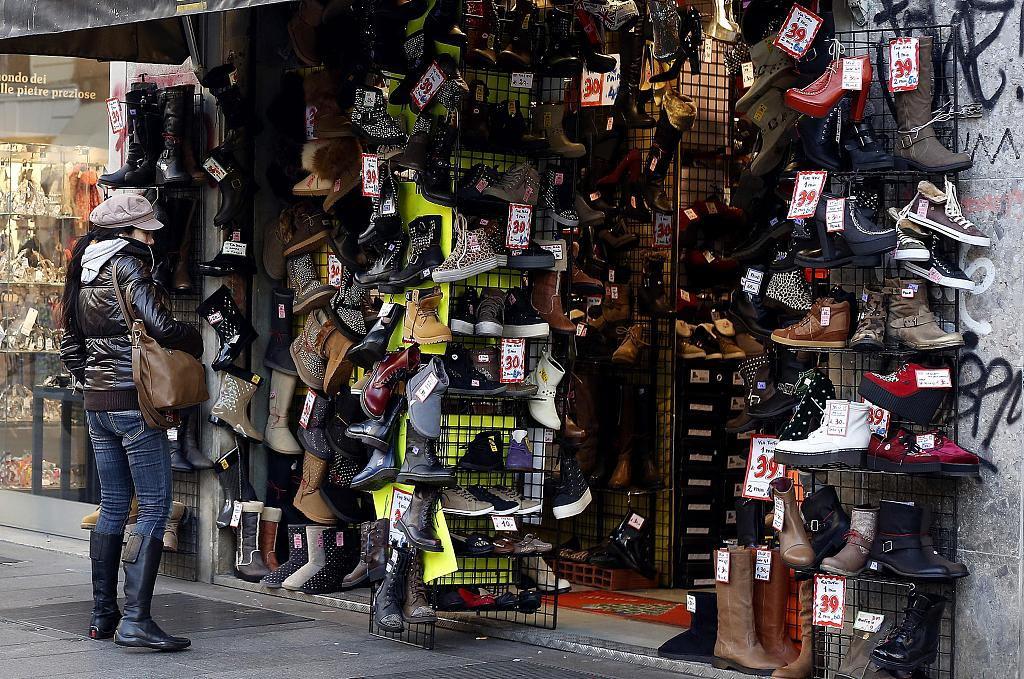
that have enormous potential but do not have easy access to financing. A footwear store in Milan, Italy, December. 10, 2013.
This is not the first time that a foreign entity has been allowed to
issue bonds in local currency. In 2005, the International Finance
Corporation (IFC) received the green light from the People's Bank of
China (PBOC) to issue over 1 billion Chinese yuan.
The same happened with the Asian Development Bank (ADB) and in 2016,
the PBOC through a Memorandum of Understanding (MOU) authorized Poland
to become the first European country to issue Panda Bonds. In 2018,
Philippine and Portugal issued the debt security. China and Italy are demonstrating to the world how a constructive relationship can be successfully managed. Most
commentators described the signing of an MOU between the two countries
as pure theater and as an empty contract. I do believe that both
countries consider that document a stepping stone to future shared
common goals.
The expressed intent to meet again next year for the second
China-Italy Finance Dialogue in China and the ongoing preparation for
the celebration of the 50th anniversary of the establishment of diplomatic ties in 2020 clearly demonstrate that there is a bright future in the relationship between these two countries.