The "Polar Silk Road" Could Be A Gamechanger For Natural Gas
June, Suday 16th., 2019
The "Polar Silk Road" Could Be A Gamechanger For Natural Gas
It’s been well over a year since the then-United States Secretary of
Defense Jim Mattis accused Russia and China of being “revisionist
powers” each working its way toward making a power grab on the world
stage and announced that the U.S. would be shifting its international
relations focus away from fighting terrorism and instead prioritize what
Mattis referred to as a "great power competition." Now, 17
months later, it looks like Mattis’ nightmares are coming true as Russia
and China have increasingly worked together in defiance of the Trump
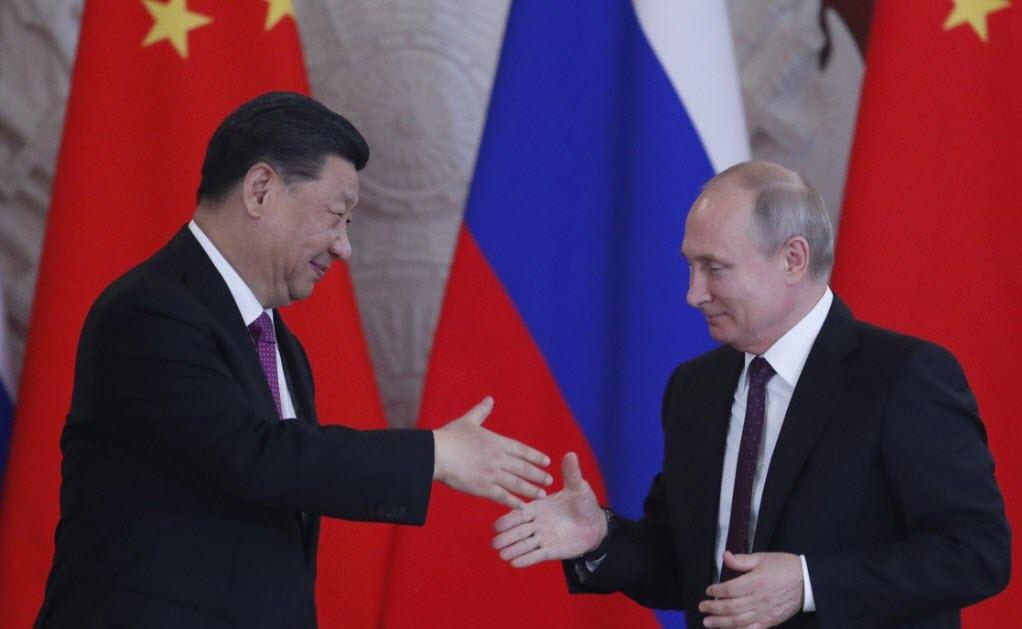
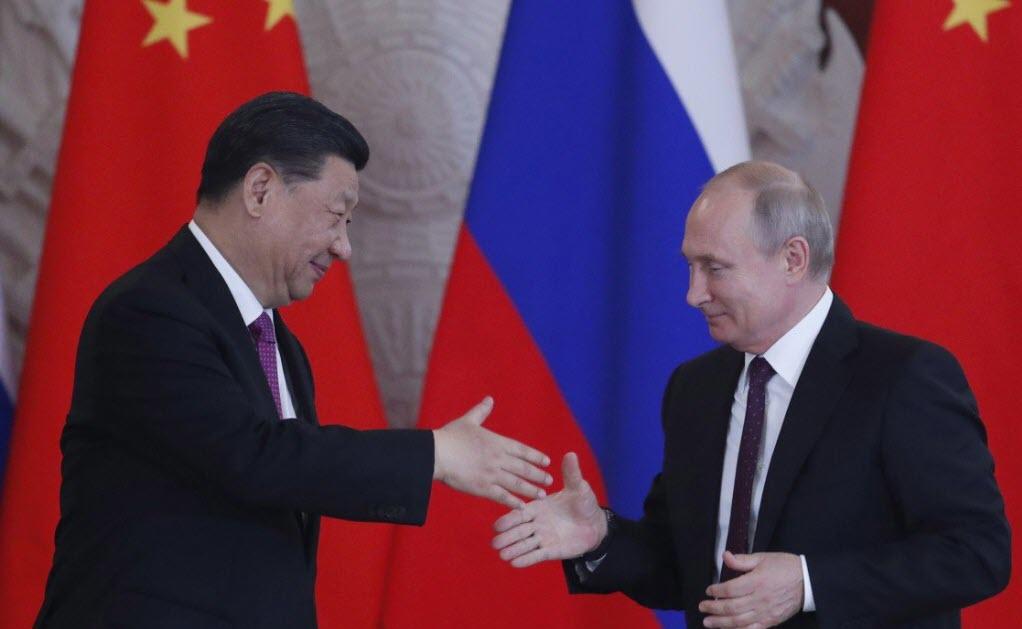
administration in a kind of diplomatic ‘marriage of convenience’. Just this month, Chinese President Xi Jinping made his eighth official visit to Russia
in a trip highly publicized in both Russian and Chinese media. “This
year marks the 70th anniversary of our diplomatic ties and China’s ties
with Russia are deepening at a time of profound change in the global
geopolitical landscape,” remarked former Chinese ambassador to Britain
Ma Zhengang, as quoted by the South China Morning Post.
One of the most current examples of this newly strengthened relationship between Beijing and Moscow is
a new joint venture between state-owned shipping corporations in Russia
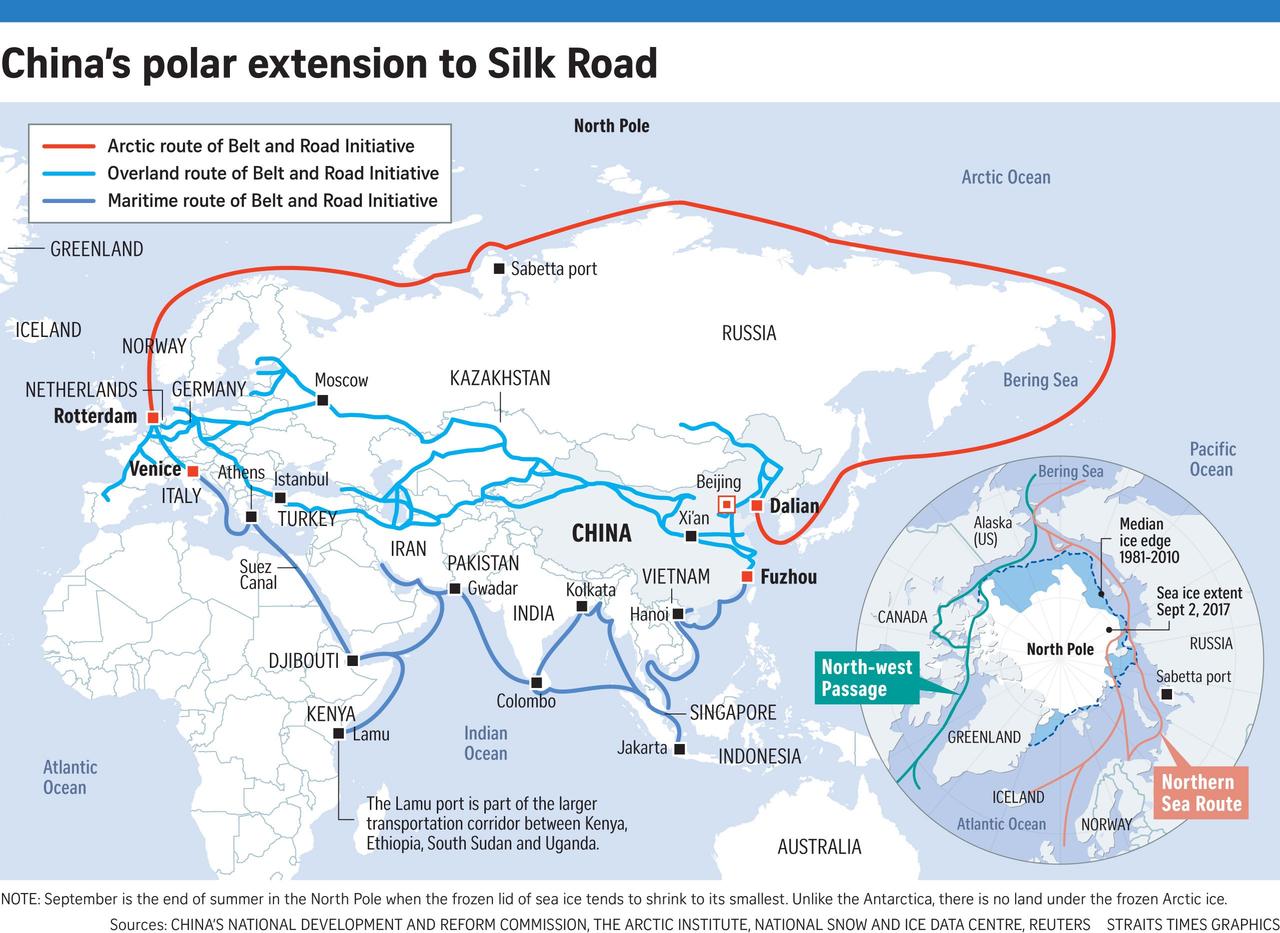
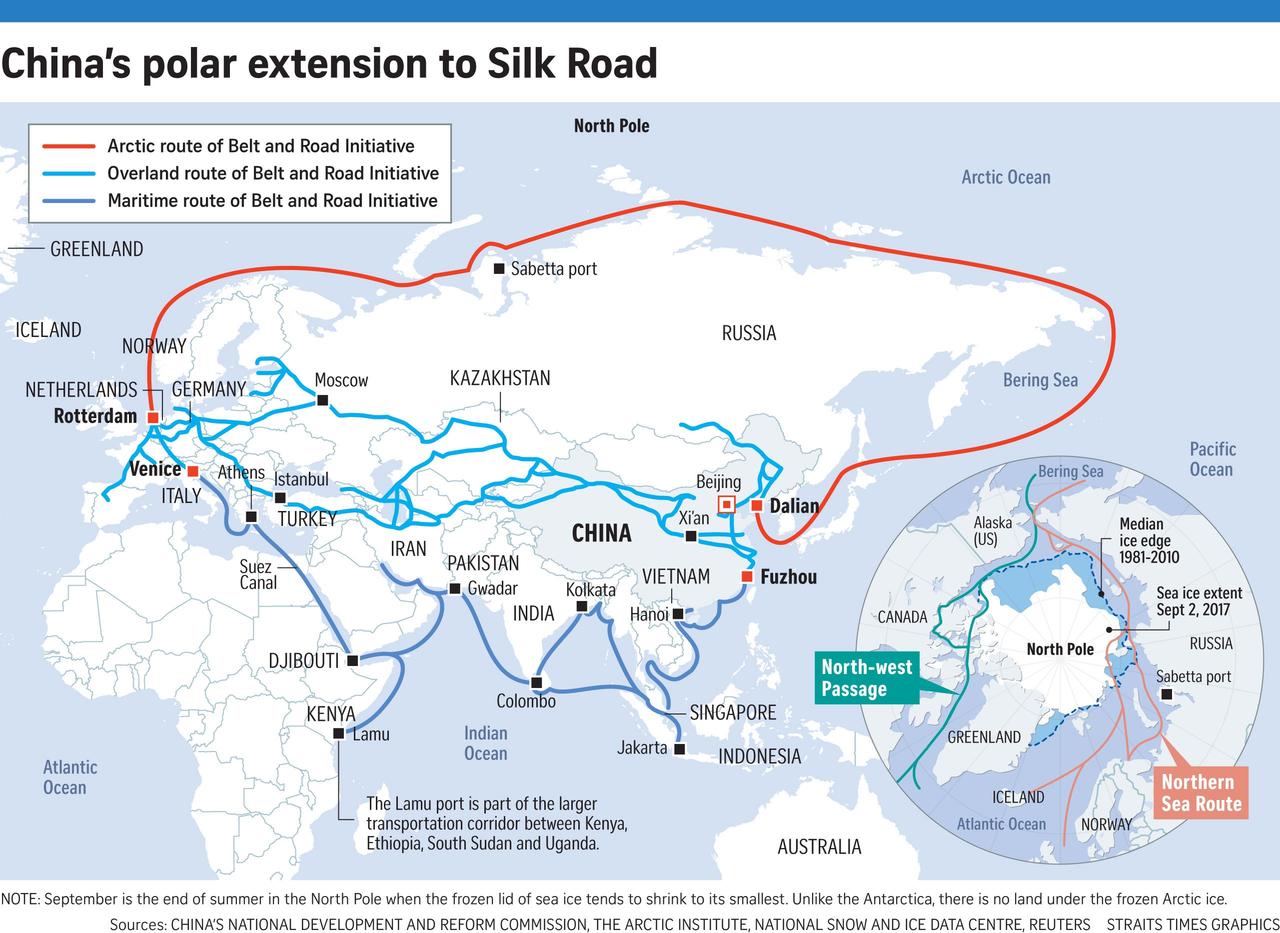
and China to create a “Polar Silk Road” in the Arctic Sea. a
year ago, officials in Beijing announced that China would be pursuing
investment across the Arctic Route to encourage commercial shipping
through the northern passage as a part of the country’s Belt and Road
Initiative. Belt and Road is a massive undertaking involving investments
programs worth trillions of dollars, which will go toward connecting
Asia and Europe by sea, rail, and road to promote more trade between the
continents.
This week, reporting by the Wall Street Journal this week tells us that “China
is breaking into Arctic transport through a joint venture between the
country’s biggest ocean carrier, Cosco Shipping Holdings Co., and its
Russian counterpart PAO Sovcomflot to move natural gas from Siberia to
Western and Asian markets.” Both China and Russia are
members of the Arctic Council, which the Wall Street Journal describes
as “an intergovernment forum [...] which considers development issues
and sailing rights as the polar ice recedes” before going on to say that
China, in particular, has “made investment [in Arctic shipping lanes] a
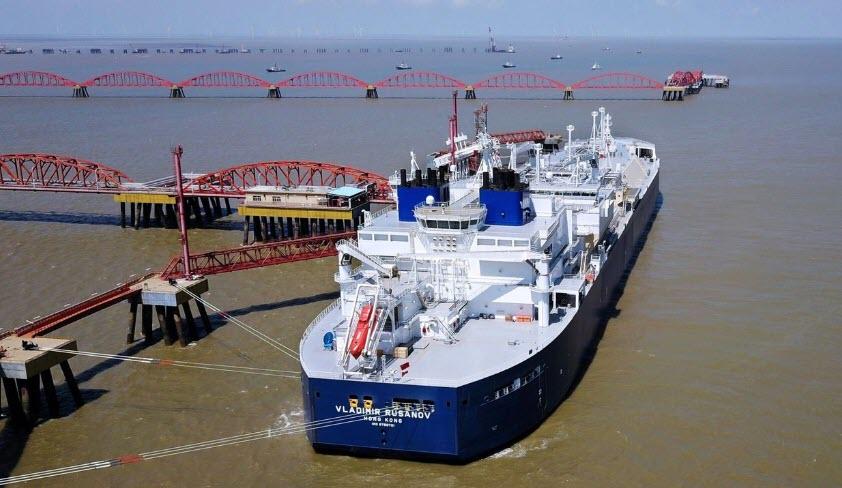
priority to advance its energy and shipping interests”. The new venture will ship liquefied natural gas from central
northern Siberia’s gargantuan Yamal LNG project to a laundry list of
destinations including Northern Europe, Japan, South Korea, and China. The
initiative will begin with a fleet of a dozen ice-breaking tankers, and
Cosco’s China Shipping LNG Investment Co. will reportedly operate
another nine tankers.
"We [China] imported about 57 million tons of LNG last year and we
are looking for a steady supply of around four million a year coming
from Yamal,” a Chinese shipping executive told the Wall Street Journal.
“We also look to move container ships through the northern sea route
as warming temperatures melt the ice making it easier to navigate.”
This move comes on the back of months of Russian gas flooding
European markets, keeping gas prices low, exacerbating an
already-existing gas glut in the continent, and at least partially
edging the United States out of the European natural gas market.
As reported by Bloomberg, experts at Citigroup surmise that Russia’s
increased shipments of natural gas to Europe are a kind of stress test
for the United States. A Citigroup report says that Russia is
intentionally keeping gas prices low because Moscow is likely “testing
the response of the global gas market in a low price environment,
especially U.S. LNG export elasticity.”
Now that Russia is strengthening its natural gas trade with China on top of its aggressive flooding of European markets with its cheap liquefied natural gas, the United States has more cause for concern than ever. Especially when taking into consideration that China’s thirst for natural gas is “almost infinite”
as it tries to move away from its long legacy of dirty coal-based power
and its middle class continues to boom, along with its demand for
energy.