- April, Tuesday 16th., 2019
Five NATO German officers stationed in Souda Base, took down the Greek flag in Chania and raised the German one!Three of them escaped, two of them were arrested, one of them soiled himself upon his arrest...
My version of the story, after the protothema.gr exposure, is based in the five posts following the article. It took me some serious time to dig deeper in the issue, since I could not explain their action, or the 'dessous' of the narrative as per the media, or the excuses the officers offered in the Court, when they said that they felt "proud while doing it" and after throwing the Greek Flag down the cliff, while covering- smearing It with stones and dirt!So here is my effort in compassionately trying to comprehend them and my version of the story:<< In the deepest depths and the vastness of the Eurasian steppes, in Central Asia and the nearby Greater Persian area, there are many strange anomalies.There are hollows in the low surrounding cliffs, there are cavities, ground cavities, hollows in the rocks, hollows in the earth. Therefrom, suddenly and creepily emerged non human critters that were constructed by evil cabal supporters, body-less magi , non-incarnate demons etc.They somehow united and created the nomadic hordes that rushed out killing everything alive, because they were jealous of everything and everyone alive on earth, since they did not belong to them. They are called goblins in all known languages.
The Greeks, living there for centuries and centuries, called the Sea 'Pontos Euxeinos (the Hospitable Sea)' Efxenos Pόntos and were kind enough to offer cultural and scientific and social enlightenment to everyone migrating-invading their lands. Later the rest of the world started calling them Khazars.Then, they started pushing themselves towards the Northern Coasts of the Black Sea Steppes, where the inhabitants, such as the Cimmerians and Taurians thrived and they wanted to destroy the colonies of all these Mediterranean peoples. The
struggle for the northern coasts of the Black Sea and the Sea of Azov lasted for centuries.
Later the rest of the world started calling them Khazars.Then, they started pushing themselves towards the Northern Coasts of the Black Sea Steppes, where the inhabitants, such as the Cimmerians and Taurians thrived and they wanted to destroy the colonies of all these Mediterranean peoples. The
struggle for the northern coasts of the Black Sea and the Sea of Azov lasted for centuries.
That was the Hellenic/ Pontic ethno-cultural cauldron!
It was there that these barbaric hordes started turning to their more civilized status, of the Goths, Ostrogoths, Visigoths et al, that later evolved in what we today call Germanic peoples.It was there that the Eastern Germanic tribes were molded! They even learnt the use of the wheel, the animal husbandry, agriculture, wagons manufacturing, army weapons...Therefore, it was only natural to catch a humangous inferiority complex because of the Greeks, and to develop a love-hatred-admiration Syndrome, against Greeks, very embarrassing for their EU Sorosian/Rothschildean/Merkelian/Warmongering Masters and themselves as well!
I understand. Do you?!A multi-nuclear tank

One of their most famous mechanical engineers coming out of the Pontic Cauldron
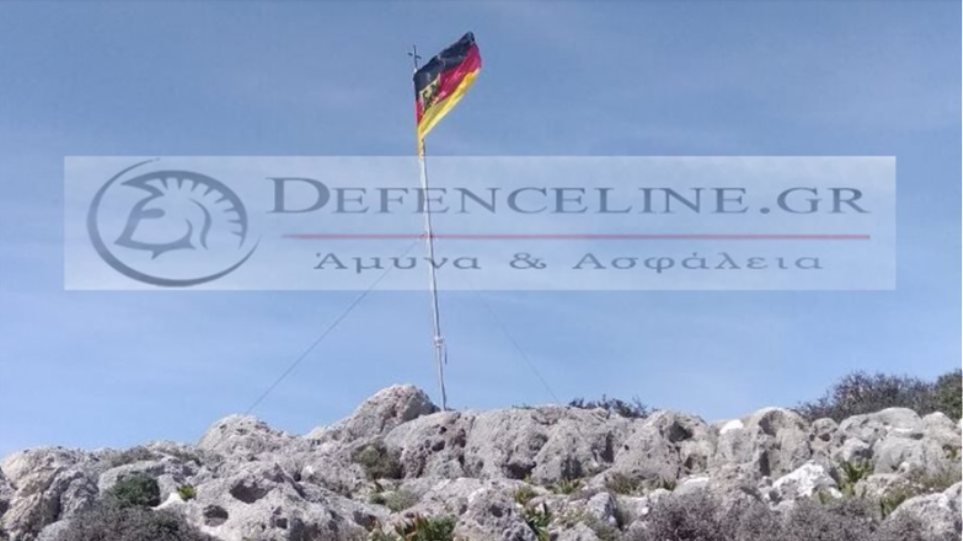
Document Photo:This is the flag they cherish and raised instead of the Greek One!
These are the five officers on the top of the cliff while taking down the Flag of a Sovereign Nation that they have already burnt to ashes three times. WWI, WWII and a Third, equally horrible one, Economic War, Now! (we do not mention the Byzantine era here).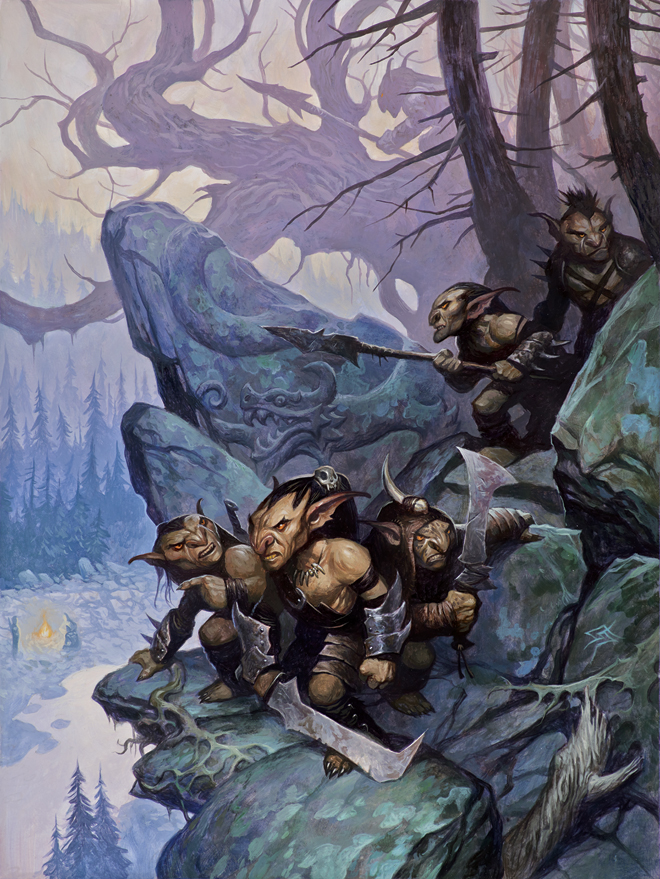
Their local Commander
Their Super-Duper GeneralΠέντε οι Γερμανοί αξιωματικοί που κατέβασαν την ελληνική σημαία στα Χανιά
Σφοδρές αντιδράσεις έχει προκαλέσει μεταξύ των κατοίκων των Χανίων η ποινή «χάδι» που επιβλήθηκε από το Μονομελές Πλημμελειοδικείο στους δυο Γερμανούς στρατιωτικούς της ΝΑΤΟϊκής δύναμης, οι οποίοι κατέβασαν και πέταξαν στα βράχια την ελληνική σημαία από τον ιστό της στον Σταυρό του Ακρωτηρίου Χανίων αντικαθιστώντας την με την γερμανική, μόλις λίγες ημέρες πριν συμπληρωθούν 78 χρόνια από τη Μάχη της Κρήτης.
Το protothema.grαποκαλύπτει σήμερα ότι στην ιταμή ενέργεια δεν συμμετείχαν μόνο οι δύο 23χρονοι, ένας από τους οποίους πανικοβλήθηκε σε βαθμό που… μύριζε όταν συνελήφθη! Σύμφωνα με απόλυτα διασταυρωμένες πληροφορίες, μαζί τους ήταν και άλλοι τρεις, που διέφυγαν όταν αντιλήφθηκαν Έλληνες να ορμούν αγριεμένοι προς το μέρος τους! Γι’ αυτούς δεν έκανε την παραμικρή νύξη η ανώτατη αξιωματικός που τους συνόδευσε, ούτε ασκήθηκε δίωξη κατ’ αγνώστων, ούτε όμως ειπώθηκε κάτι στο δικαστήριο, άγνωστο γιατί…
Ας πάρουμε, όμως, τα πράγματα από την αρχή. Ο καφές που έπινε μια παρέα ανδρών της Εθνοφυλακής κοντά στον Σταυρό στο Ακρωτήρι Χανίων το απόγευμα της Κυριακής, έγινε ξαφνικά… φαρμάκι όταν είδαν τη γερμανική σημαία να ανεμίζει αυθάδικα στην θέση της ελληνικής. Πρόκειται για άτομα που έχουν χάσει συγγενείς από τη ναζιστική θηριωδία κι έτσι το κρητικό αίμα άρχισε να βράζει μέσα τους και αμέσως έτρεξαν στον ιστό, για να δουν ποιοι κρύβονταν πίσω από την πρωτοφανή πρόκληση.
Φτάνοντας στον ιστό, είδαν τρεις άνδρες να κατρακυλούν κυριολεκτικά στα απόκρημνα βράχια προσπαθώντας να ξεφύγουν και, τελικά, το κατάφεραν. Όμως, οι άλλοι δυο δεν πρόλαβαν να τους ακολουθήσουν και ακινητοποιήθηκαν από τους Εθνοφύλακες, που μπήκαν στον πειρασμό να βάλουν μπροστά όσα γνώριζαν αποκτώντας… μαύρες ζώνες σε πολεμικές τέχνες, αλλά φάνηκαν ψύχραιμοι και δεν το έκαναν.
Ένας από τους Έλληνες μιλά γερμανικά, όμως προσποιήθηκε ότι δεν καταλάβαινε για να ακούσει τι έλεγαν μεταξύ τους οι δυο νεαροί Γερμανοί. Πράγματι, ο ένας είπε στον άλλο να ισχυριστούν ότι ήταν μεθυμένοι, καθώς δίπλα τους είχαν τέσσερα κουτάκια μπύρας. Όμως, μόνο δυο ήταν άδεια κι ατό δεν δικαιολογούσε μεθύσι, από τη στιγμή μάλιστα που η ομάδα αποτελούνταν από πέντε άτομα.
Όταν κλήθηκαν στο σημείο αστυνομικοί του Τ.Α.Ε. για να παραλάβουν τους δυο βέβηλους, αποκαλύφθηκε η ιδιότητά τους, ότι δηλαδή υπηρετούν ως αξιωματικοί του ΝΑΤΟ στην 115 Πτέρυγα Μάχης. Στο μεταξύ, βρέθηκε η ελληνική σημαία που την είχαν κυριολεκτικά κάνει κουβάρι και την είχαν θάψει -σαν σε τελετή, καθώς ήταν καλυμμένη τελείως με ογκώδεις πέτρες- πράγμα που κατέρριπτε τον ισχυρισμό των Γερμανών ότι «έβαλαν μια πέτρα πάνω της για να μην την πάρει ο αέρας»!
Το περίεργο είναι ότι μόλις κατέβηκαν για να τους βάλουν σε περιπολικό στην παραλία του Σταυρού, όπου το 1964 ο Άντονι Κουίν χόρεψε το περίφημο ελληνικό συρτάκι σε μουσική του Μίκη Θεοδωράκη, έφτασε αμέσως η υψηλόβαθμη αξιωματικός του γερμανικού στρατού, λες και γνώριζε τι είχε συμβεί! Με την συνοδεία της οι δύο 23χρονοι οδηγήθηκαν στο τμήμα και εκείνη ζήτησε να αφεθούν ελεύθεροι.
Φυσικά, το αίτημά της απορρίφθηκε ασυζητητί, καθώς ήδη έξω από το τμήμα άρχισε να συγκεντρώνεται κόσμος με άγριες διαθέσεις, απειλώντας να λιντσάρει τους δυο νεαρούς αξιωματικούς αν αφήνονταν ελεύθεροι. Ακούστηκαν, μάλιστα, φωνές που απειλούσαν να… κάψουν το τμήμα αν οι δράστες της πρωτοφανούς προσβολής στο εθνικό σύμβολο δεν παραπέμπονταν στην δικαιοσύνη!
Μέσα σε ένα «καυτό» κλίμα, οι δύο Γερμανοί οδηγήθηκαν στα κρατητήρια όπου, για καλή τους τύχη, δεν υπήρχαν Έλληνες κρατούμενοι παρά μόνο Πακιστανοί. Ωστόσο, η εμπειρία του εγκλεισμού στο κελί, έκανε τον έναν από τους δυο να χάσει κάθε έλεγχο, με αποτέλεσμα να… λερώσει το παντελόνι του προκαλώντας αηδία αλλά και χλεύη από όσους βρέθηκαν μπροστά.
Σε βάρος των δυο Γερμανών σχηματίστηκε δικογραφία για προσβολή εθνικού συμβόλου και οδηγήθηκαν στον εισαγγελέα Πλημμελειοδικών Χανίων, ο οποίος τους άσκησε δίωξη και τους παρέπεμψε να δικαστούν με την αυτόφωρη διαδικασία. Το πρωί της Δευτέρας, στο Αυτόφωρο Πλημμελειοδικείο Χανίων ισχυρίστηκαν ότι ύψωσαν την γερμανική σημαία επειδή ενθουσιάστηκαν από την… επιτυχία της πεζοπορίας τους στον αρχαιολογικό χώρο του Σταυρού και επειδή έτσι κάνουν οι ορειβάτες!
Όσο κι αν ισχυρίστηκαν ότι δεν είχαν πρόθεση να προσβάλουν την Ελλάδα ή να βεβηλώσουν το σύμβολο, δεν έπεισαν το δικαστήριο που τους καταδίκασε σε φυλάκιση δέκα μηνών με τριετή αναστολή, παρ’ όλο που το άρθρο 181 του Ποινικού Κώδικα για προσβολή συμβόλων του ελληνικού Κράτους προβλέπει ότι «Όποιος, για να εκδηλώσει μίσος ή περιφρόνηση, αφαιρεί, καταστρέφει, παραμορφώνει ή ρυπαίνει την επίσημη σημαία του Κράτους ή έμβλημα της κυριαρχίας του, τιμωρείται με φυλάκιση μέχρι δυο ετών»!
Οι δύο 23χρονοι αφέθηκαν ελεύθεροι και επέστρεψαν συνοδευόμενοι από την ανώτερή τους στο στρατόπεδο, από το οποίο –σύμφωνα με πληροφορίες- τους απαγορεύτηκε η έξοδος ώσπου να αναχωρήσουν για την πατρίδα τους, πιθανότατα σήμερα, καθώς η παραμονή τους στην Κρήτη κρίθηκε επισφαλής. Μάλιστα, η Γερμανίδα αξιωματικός φέρεται να διαβεβαίωσε το δικαστήριο ότι η καταδίκη τους θα έχει συνέπειες, χωρίς να διευκρινίσει ποιες θα είναι αυτές.
Chariot, Goblins, Kamikazekatapult, Warhammer Fantasy, Wolf - Goblin ...thecommguild.com
Labels: centerra, races
A.The origins of the Goths


The origin of the Goths could have been solved by the acceptance of the simple notion
that the Goths originated on the steppes of the Black Sea. This is a genuine claim, taking into
consideration the following. The Goths, as the Romans knew them, formed an ethno-political
entity as a result of amalgamation of various Eastern Germanic groups that had migrated there in
the first half of the third century.
This Pontic ethno-cultural cauldron moulded the Eastern Germanic
culture. For example, they adopted wheel-made pottery from a local population, after reaching
the region. The East Germanic economy was initially based on agriculture with lesser
importance of animal husbandry. Most likely, only on the steppes, under the influence of the
Sarmatians their economy shifted toward greater importance of cattle breeding. Horses, wagons
and an army dominated by mounted warriors with lances were not a typical Germanic feature.
According to Tacitus a bulk of Western Germanic armies B.Internet Encyclopedia of Ukraine
The peoples that inhabited Ukraine tried to
reach the Black Sea, while the Mediterranean peoples—Greeks,
Byzantines, Italians—strove to occupy its most northerly coast. But the steppes along the northern coast were continually invaded by nomadic hordes from Asia, who sought to push back from the Black Sea the inhabitants of the steppes, such as the Cimmerians and Taurians,
and wanted to destroy the colonies of the Mediterranean peoples. The
struggle for the northern coasts of the Black Sea and the Sea of Azov
lasted for centuries. For this reason the Ukrainian people established a
permanent boundary on the Black Sea fairly late—only at the close of
the 18th century.
The present ethnic boundary of the Ukrainian people on the Black Sea can be divided into four sections: from the mouth of the Danube to the Crimea, the Crimean region up to the Kerch Strait (both these sections belong to Ukraine), the Kuban
region up to the town of Dzhubga (this section belongs to the Russian
Federation), and from Dzhubga to the city of Gagra (a mixed
Russian-Ukrainian region, which is now Russified).
The Black
Sea was known under various names in the past. The ancient Greeks called
it at one time Pontos Axeinos (the Hostile Sea), because of its
storminess and lack of islands. After colonizing its coast, the Greeks
renamed it Pontos Euxeinos (the Hospitable Sea). Arab travelers and writers called it the Rus' Sea. The Kyiv Chronicle
referred to it as the Pontic or Ponetian Sea. Eventually, various
nations adopted the name Black Sea, usually translated into their own
language (for example, Karadeniz in Turkish). The name may have been
derived from the color of the water at great depth or from the sea's
storminess.
4
Archaeological evidence as well as written sources suggests
that those Eastern Germanic tribes were clan-based groups with no wider ethnic or political
unity. At that stage their political or ethnic affiliation did not go beyond small tribal units
comprising a number of clans.
5
The presence of Eastern Germanic peoples on the Pontic
steppes in the third and the fourth century was manifested by the culture known as the late
Chernyakhov
6
that clearly shows many Eastern Germanic elements.
7
Nevertheless, the
association of archaeological culture with a particular ethnic or linguistic group is a tricky
business. Also in this case, equation of the Chernyakhov culture with the Goths is a gross
oversimplification. First of all, who were the Goths? Were they the Tervingi-Visigoths or the
Greutungi-Ostrogoths ? Solving this question would not solve the problem at all. Both the
Visigoths and the Ostrogoths were not a product of a split of a unified Gothic ethnos, but rather,
1
The Goths and Rome: W. Goffart, Barbarians and Romans, AD 418-584, The Techniques of Accommodation
(Princeton, USA: Princeton University Press, 1980), pp. 6-15 and 66-70.
2
"Island of Scandza": H. Wolfram, History of the Goths (Berkley: University of California Press, 1988 ed. ),
p. 36.
3
Places of postulated origin in Scandinavia: J. Czarnecki, The Goths in Ancient Poland (Coral Gables:
University Of Miami Press, 1975 ), p. 1.
4
Goths product of steppes: T.S. Burns, A History of the Ostrogoths (Bloomington: Indiana University
Press, 1984), p. 23.
5
East Germans of early third century: T.S. Burns, A History of the Ostrogoths , pp. 19-21.
6
The spelling of the name of this culture varies in different sources due to the different transcription of
Russian name written in Cyrillic into the Latin script. It is often spelled as Chernyakhov, Chernyakhov,
Czerniachów, Černjachov or sometimes called Sîntana de Mure-Černjachov. In this work the spelling is
arbitrary chosen as Chernyakhov.
7
The Germanic elements in Chernyakhov: P. Heather & J. Matthews, The Goths in the Fourth Century
(Liverpool: Liverpool University Press, 1991 ), pp. 57-63.
on the contrary, they were a product of the amalgamation of several smaller tribes into larger
units.
8
The process might have begun during the migration to the steppes in the course of the
second and third centuries.
It is likely that tribal chieftains strengthened their position during the migration as
migrating people who are often exposed to hostile locals and a new unknown environment do
need a higher level of socio-political organization.
9
Nevertheless, this process was not well
advanced before the middle of the fourth century. The name Goths used by the Romans, was a
collective name for various Germanic and other people from beyond the Danube, which replaced
names such as the Scythians and Sarmatians of the same broad connotation.
10
Besides the
Tervingi and the Greutungi, a multitude of different Germanic tribal names were reported from
beyond the Danube such as the Gepids, Rugians, Heruli, Taifali and others, who were as much
part of the Chernyakhov complex as the so called Goths.
11
Hence, it seems to be more proper to
use a term Eastern Germanic people or tribes rather than using the Roman term Goths.
Moreover, the above tribes were themselves a loose confederation of smaller tribal and clan
units that changed their allegiance or affiliation so often that the Romans could hardly follow
it.
12
The archaeological evidence shows that the Chernyakhov complex never produced fortified
settlements, and villages were of rather moderate size. It has been suggested that some larger
villages might have been the seats of tribal chieftains at best.
13
In this context, all those familiar
names such as the Gepids, Heruli, Taifali, Tervingi and Greutungi were collective names
themselves, and in no way indicate a stable ethnic or political unity.
14
The name Goths was
initially recorded in the second century in a slightly different form of Gutones,
15
who will be
discussed later. It reappeared in the late fourth century in the form of the Visigoths and the
Ostrogoths, referring to the Tervingi and the Greuthungi tribes respectively. The new names are
most likely a reflection of the unifying process that the Eastern Germanic people were
undergoing at that time. A process centred on these two tribal groups who were absorbing the
other small Germanic and non-Germanic people.
16
Nevertheless, it should not be overlooked
that a similar process must have been taking place in the case of the other tribes such as Heruli
and Gepids.
The consolidation and political expansion of the Greutungi dates to the middle of the
fourth century, under their ruler Ermanaric, the times shortly before the Hunnic onslaught. The
Romans often applied the term "king" to any Germanic chieftains, and the application of the
term seems to be proper perhaps only in the case of Ermanaric. As for the others, rather the term
"prince” or “duke" would have been more appropriate, simply because they were leaders of
smaller tribal groups. The above process continued and even intensified among the Greutungi
under a Hunnic dominance and resulted in the formation of the Ostrogoths, as they became
known to the Romans in the late fifth century.
17
The Chernyakhov complex itself cannot be attributed entirely to the Eastern Germanic
elements. P. Heather and J. Matthews in their book The Goths in the Fourth Century contradict
themselves by claiming that the culture was homogeneous.
18
The culture itself has at least three
8
Formation of Gothic tribes: T.S. Burns, A History of the Ostrogoths, pp. 32-38.
9
People on the move. Conditions and logistics: J. Czarnecki, The Goths in Ancient Poland, pp. 36-38 and
H. Wolfram, History of the Goths, pp. 39-40.
10
Usage of term Goths: H. Wolfram, History of the Goths, p. 44.
11
Other Eastern Germanic people: T.S. Burns, A History of the Ostrogoths, p. 30.
12
Not defined ethno-political affiliations: T.S. Burns, A History of the Ostrogoths , pp. 25 and 30-31.
13
Chernyakhov settlements: P. Heather & J. Matthews, The Goths in the Fourth Century, p. 57.
14
No East Germanic political unity: T.S. Burns, A History of the Ostrogoths, p. 24.
15
Goth-Gutones in historical records: J. Czarnecki, The Goths in Ancient Poland, p. 14.
16
The Tervingi-Visigoths and Greutungi-Ostrogoths: H. Wolfram, History of the Goths, pp. 40-44.
17
Unification attempts under Ermanaric: T.S. Burns, A History of the Ostrogoths, p. 37.
18
Homogeneity of Chernyakhov complex: P. Heather & J. Matthews, The Goths in the Fourth Century,
p. 51.
C.Eurasian Steppe - Wikipedia
The Eurasian Steppe, also called the Great Steppe or the steppes, is the vast steppe ecoregion ... The southern area has a complex history (see Central Asia and Greater Iran), while in the north, the Kazakh Steppe proper was ... The Mongol Steppe includes both Mongolia and the Chinese province of Inner Mongolia.

D. KHAZAR Maps : Gog And Magog Khazars


E. Goblin
Goblin - Wikipedia
https://en.wikipedia.org/wiki/Goblin
https://en.wikipedia.org/wiki/Goblin
A goblin
is a monstrous creature from European folklore, first attested in
stories from the Middle Ages. They are ascribed various and conflicting
abilities, ...
Name
Alternative spellings include gobblin, gobeline, gobling, goblyn, goblino, and gobbelinEnglish goblin is first recorded in the 14th century and is probably from unattested Anglo-Norman *gobelin,[1] similar to Old French gobelin, already attested around 1195 in Ambroise of Normandy's Guerre sainte, and to Medieval Latin gobelinus in Orderic Vitalis before 1141,[2][3] which was the name of a devil or daemon haunting the country around Évreux, Normandy.
It may be related both to German kobold and to Medieval Latin cabalus, or *gobalus, itself from Greek κόβαλος (kobalos), "rogue", "knave", "imp", "goblin".[2][4] Alternatively, it may be a diminutive or other derivative of the French proper name Gobel, more often Gobeau,[5][6] diminutive forms Gobelet, Goblin, Goblot, but their signification is probably "somebody who sells tumblers or beakers or cups".[7] Moreover, these proper names are not from Normandy, where the word gobelin, gobelinus first appears in the old documents. German Kobold contains the Germanic root kov- (Middle German Kobe "refuge, cavity", "hollow in a rock", Dial. English cove "hollow in a rock", English "sheltered recess on a coast", Old Norse kofi "hut, shed" ) which means originally a "hollow in the earth".[8][9] The word is probably related to Dial. Norman gobe "hollow in a cliff", with simple suffix -lin or double suffixation -el-in (cf. Norman surnames Beuzelin,[10] Gosselin,[11] Étancelin,[12] etc.)
The Welsh coblyn, a type of knocker, derives from the Old French gobelin via the English goblin.[13][14]
The term goblette has been used to refer to female goblins.[15][16]